

Breaking Out of Your Boundaries: What an Escape Room HRD Corp programme Can Teach Us About How We Work.

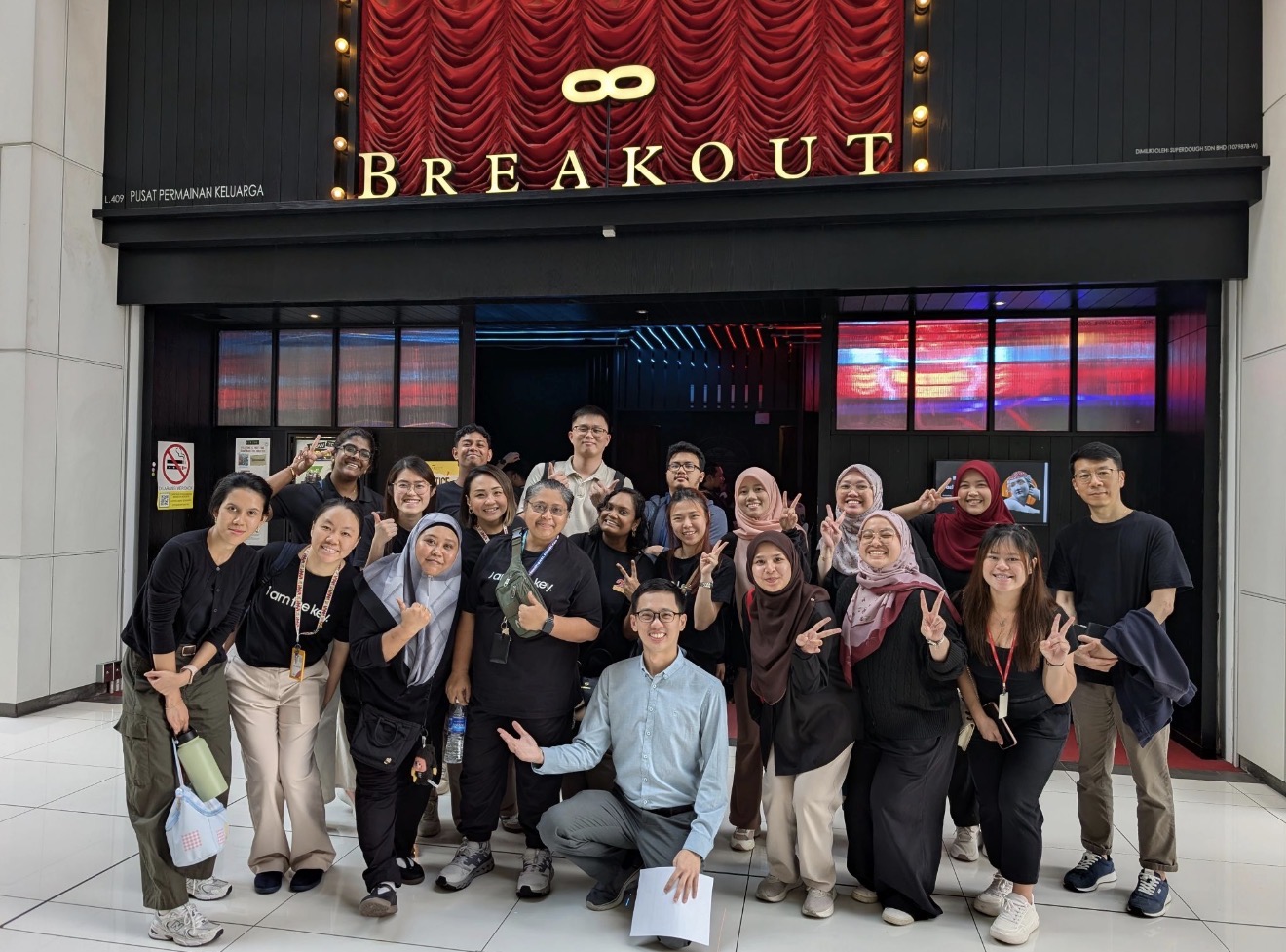
When we first started talking about creating a full-day HRDF team building programme around Breakout Escape Room, the obvious question was: how do we turn an escape room into something more than just a fun team building activity?
For many years, our clients have experienced ultimate fun in our escape rooms. But what happens after that? That was the part that interested us. To search for this answer, we partner with Level 99 Consultancy, a workplace learning and behavioural development consultancy, to understand how organisations communicate and collaborate.
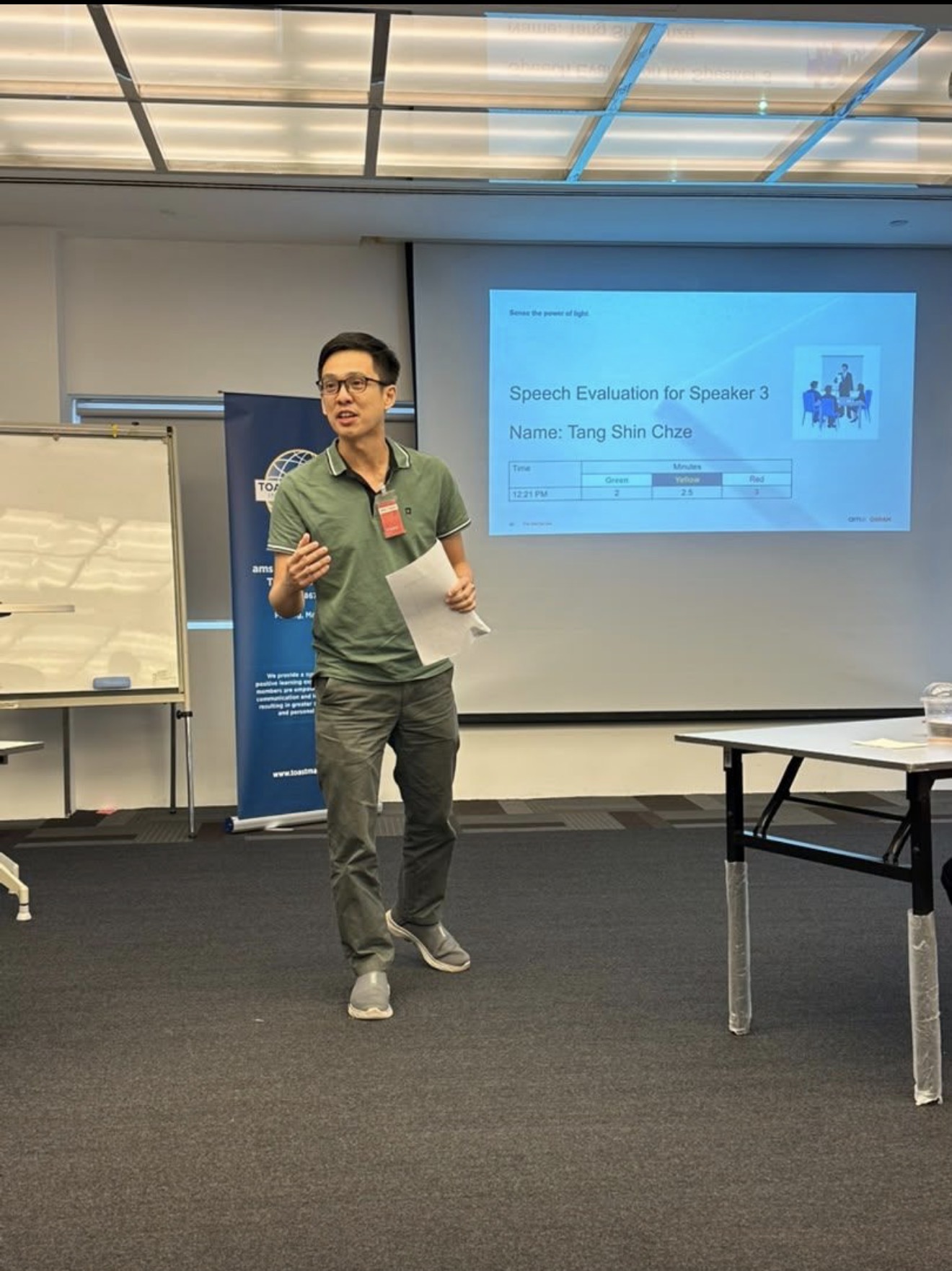
“One thing we’ve learned from running workshops is that there’s a limit to what you can uncover in a classroom. Put people in a training room and ask them, ‘How well does your team communicate?’ Most people will give you a pretty good, corporate-friendly answer.
But if you put those same people in a room with 55 minutes on the clock, incomplete information and a problem nobody has seen before, you may get a very different answer.” — Shin Chze, Principal Trainer, Level 99 Consultancy
That was where the idea for Breakout From Your Boundaries, an HRDC-claimable team building program, started. Instead of teaching people how they should work together, we wanted to create an experience where they could see how they actually work together.
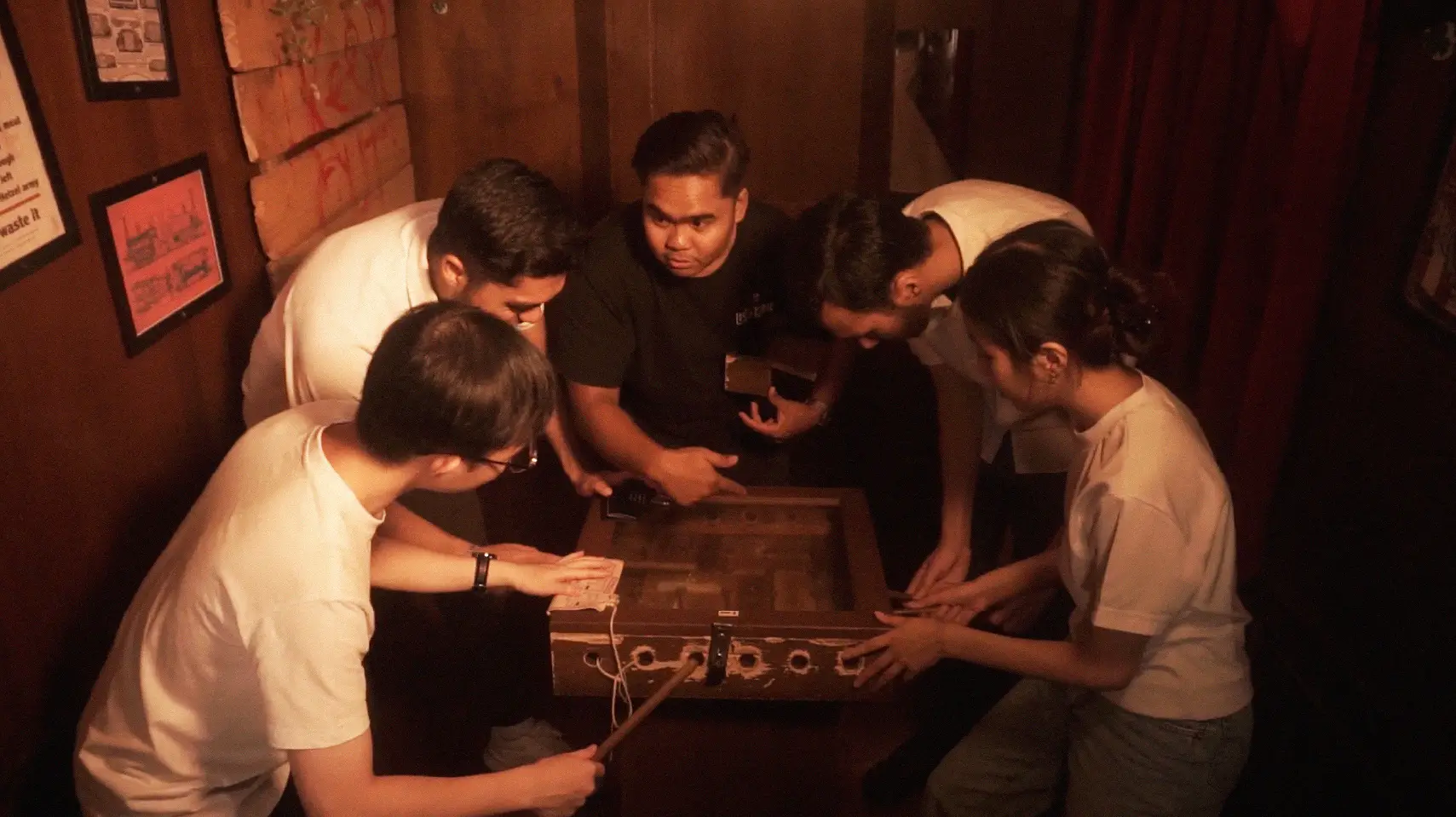
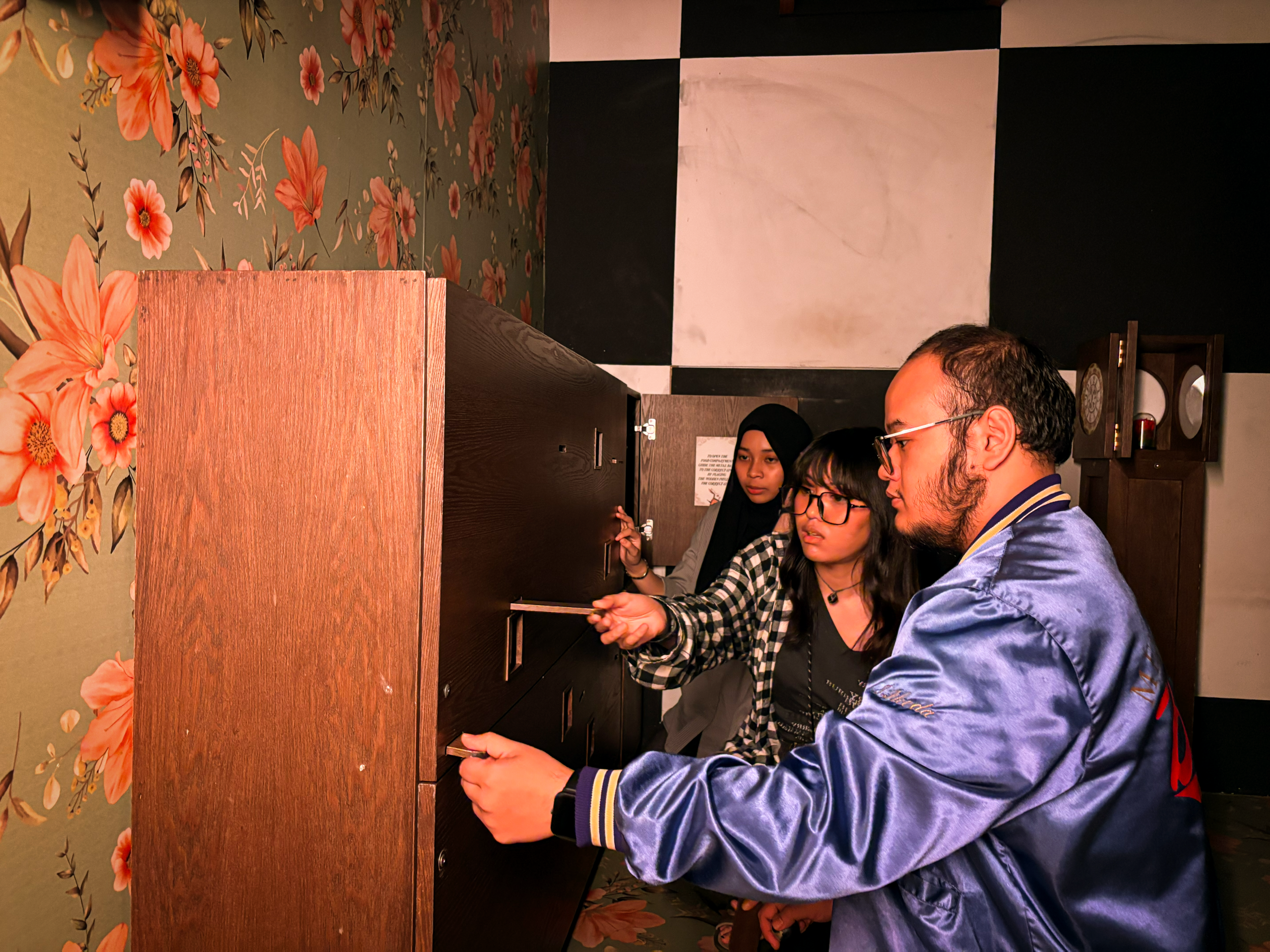
An escape room turns out to be a pretty good place to do that.
Once the door closes and the clock starts, hierarchy becomes less useful. The leader doesn't necessarily know more about the puzzle than the newest member of the team. Someone who doesn't normally say much may suddenly notice something everyone else has missed. You can't really predict who will become important to the team.
At work, we tend to associate leadership with certain people. We know who usually speaks first in meetings. We know who people turn to when there is a difficult decision. But, if you put people in a completely unfamiliar situation and those assumptions can change quite quickly.
The quiet person may have the critical observation. The person who normally leads may realise that giving instructions isn't helping. Sometimes, the biggest problem isn't that nobody has the answer. It's that everyone is talking, and nobody is listening. When people are under pressure, communication can become very transactional. Someone spots a clue, shouts it out and immediately jumps to a conclusion. Another person is already working on something else. Before you know it, five people are solving five different problems. It sounds very much like some of the meetings we have at work.
The difference is that in an escape room, you find out fairly quickly whether your approach is working. You can't spend three months having meetings about the problem. The clock is running so teams have to adapt. Sometimes they simply have to admit, "Okay, that didn't work. Let's try something else."
We decided that the escape room itself should not be the end of the programme. The game gives us the experience but the debrief gives us the opportunity to make sense of it.
After the escape room, our facilitators do not want to stand in front of everyone and tell them what they did wrong. Instead, we ask them what they noticed. Why did your team decide to do that? Who made the decision? Did everyone understand what was happening? What happened when someone disagreed?
And perhaps the more uncomfortable question: would you work the same way if you were back in the office tomorrow?
There are usually some laughs during this conversation. There are also moments where people suddenly realise that what happened in the room wasn't really about the room.
The person who kept interrupting the team may also interrupt people during meetings. The person who waited for instructions may also wait for instructions at work. The team that spent too long defending its first idea may recognise that it does something similar when a project isn't going according to plan. An escape room cannot magically change someone's behaviour in one afternoon. Behaviour change is much harder than that. However, an experience can give people something concrete to reflect on.
Instead of talking about "good communication" as an abstract concept, they have a very specific moment they can remember. "I think we did that in the escape room just now." There is also something else that we deliberately wanted to bring into the programme: the ability to work with uncertainty. In the workplace, we often reward people for having answers. But most real problems don't come with a clear answer. You have incomplete information. Different stakeholders want different things. The data doesn't tell you everything and you have to make a decision before you are completely comfortable with it. The escape room environment creates a much smaller and safer version of that problem.
We don't want Breakout From Your Boundaries to become another team building activities where participants shout slogans about teamwork and then dance to music that does nothing to enhance team understanding. An effective team building experience should come from what people notice about themselves and each other.
That is probably the biggest reason we called the programme Breakout From Your Boundaries. The boundaries aren't really the four walls of the escape room. They are the assumptions we make about ourselves and the people around us.
For a day, you get to leave the usual workplace behind and work with your colleagues in a completely different environment. You might discover that the person you rarely talk to is actually very good at connecting ideas. You might discover that you tend to take over when things get stressful. You might discover that your team isn't as aligned as you thought. Or you might discover that your team works really well together.
All of those are useful discoveries that will enhance teamwork in the workplace.
That, ultimately, is what we hoped to create with Breakout From Your Boundaries.
Interested in transforming your team? Contact us today to inquire about our HRD-Corp Claimable Program today.